A realistic, step-by-step guide to help you confidently transition to life in Costa Rica.
About Us
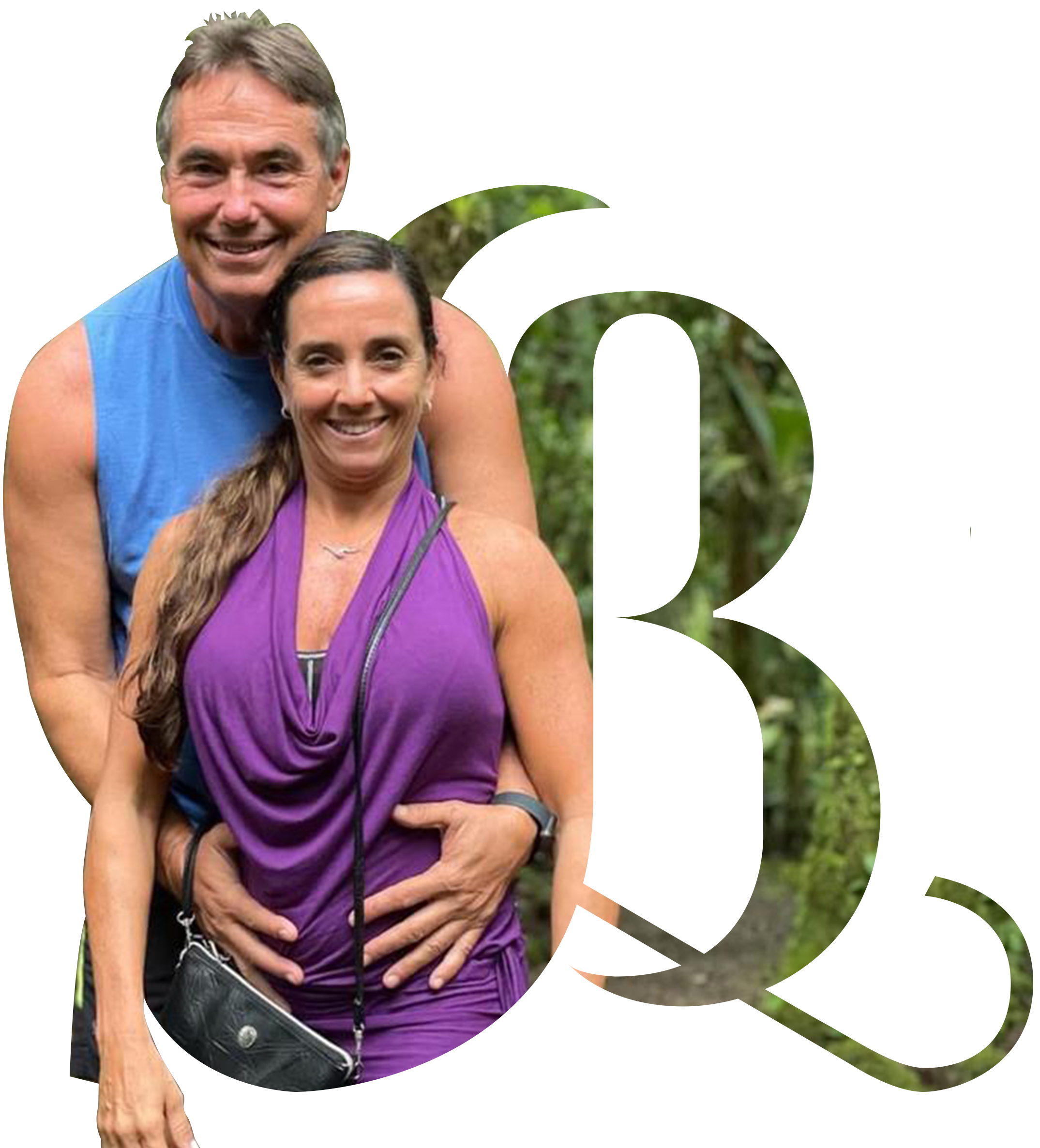
The Living Goals Series is inspired by a lifetime spent learning how to set goals and seeing firsthand what can happen when you choose a goal, set a timeframe, and stay committed to it every single day. Through years of experience, Layne has seen the power of daily reading, daily focus, and consistent attention to the things that matter most. These practices have shaped his life and continue to guide the work he shares with others.
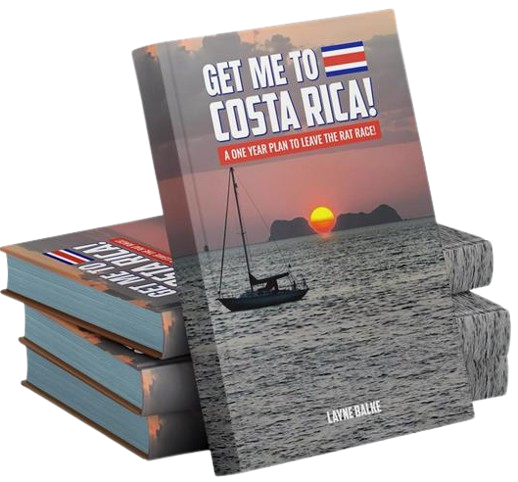
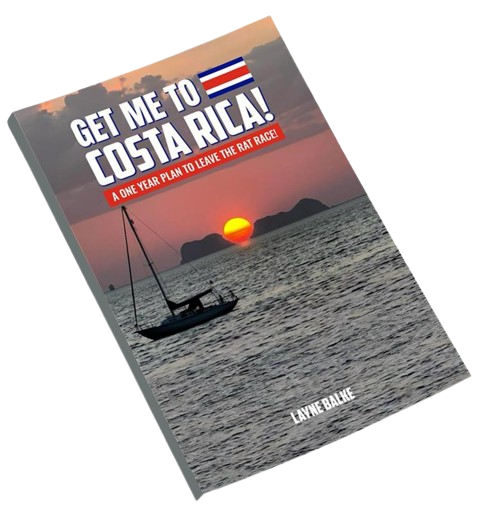
Get Me to Costa Rica: A One Year Plan to Leave the Rat Race is a practical guide designed to help readers prepare for and complete a move to Costa Rica in a realistic and organized way. The book outlines a clear, step-by-step process that breaks the transition into manageable stages, making it easier for individuals or families to plan a major life change with confidence.
Find my other books & continue your journey on Amazon.
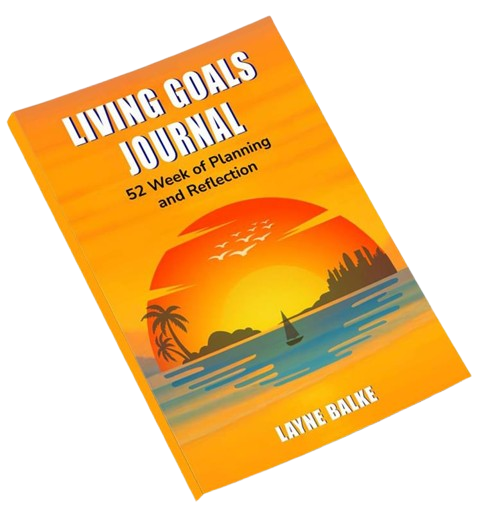
Living Goals Journal
Get Me to Costa Rica!
Living Goals Workbook
Coming Soon On
Are You Pissed Off? When Frustration Finally Fuels Action.
Coming Soon On
Living The Dream Our 10-Year Costa Rica Experience
Coming Soon On
What About Your Life? In Costa Rica?
Coming Soon On
Our Gallery
Frequently Asked Questions
What is Get Me to Costa Rica about?
It is a practical one-year guide that helps you plan, prepare, and successfully relocate to Costa Rica in an organized and realistic way.
Who is this book written for?
The book is for anyone considering a major life change, including individuals, couples, families, retirees, or anyone seeking a calmer, more intentional lifestyle.
Is it safe to live in Costa Rica?
Yes. Costa Rica is considered one of the safest countries in Central America, especially in areas where most expats choose to live.
Do I need to speak Spanish to live there?
No. You can live comfortably with basic Spanish, especially in expat areas. Learning the language will make daily life easier.
How much does it cost to live in Costa Rica?
Costs vary by location and lifestyle. The Central Valley is typically more affordable, while beach towns can be higher. Many expats find it similar to or slightly cheaper than living in the U.S.
What residency options are available?
Common options include Pensionado (retiree), Rentista (fixed income), Inversionista (investment), and residency through marriage or family ties.
Does the book explain what living in Costa Rica is really like?
Yes. It covers culture, climate, cost of living, healthcare, and daily expectations to help you make informed decisions.
Will this book help me choose the best area to live in?
Yes. It offers guidance on popular regions and helps you evaluate what area fits your lifestyle and priorities.
What is healthcare like in Costa Rica?
Costa Rica offers affordable public healthcare (Caja) and high-quality private medical services. Many expats use a mix of both.
Can I work in Costa Rica?
You can work once you have the correct residency category that allows employment. Tourist visas do not permit working.
How do I move my belongings?
Most people use a shipping container service, although import taxes can be high. Many choose to sell most items and move light because furnished rentals are common.
Will the book help me prepare emotionally for the move?
Yes. It addresses mindset, fear, stress, and the emotional challenges that come with a major life transition.
What about schools for kids?
Costa Rica has public, private, and international schools. Expat families often choose private or international programs for bilingual education.
How can I meet other expats in Costa Rica?
You can connect through local Facebook groups, community events, volunteer programs, coworking spaces, and expat meetups.
Feel free to contact with us for any kind of Questions ?